
 >
> Protecting Victims of Nonconsensual Deepfake Abuse
If you are here because your image, likeness, or identity has been used in a deepfake without your consent, especially in a sexualized or abusive context, please know this: you are not powerless, and you are not alone.
Deepfake technology, powered by artificial intelligence, can be used to manipulate images, videos, or audio, creating highly realistic but entirely fabricated content. While some deepfakes are created for entertainment or satire, many are designed to harm, harass, blackmail, or sexually exploit others. For victims, particularly women, minors, and marginalized individuals, deepfake abuse can have devastating consequences.
At Liberty Law, we are committed to standing with those who have been targeted. We help victims fight back against the individuals and institutions responsible and we seek meaningful accountability through the civil justice system.
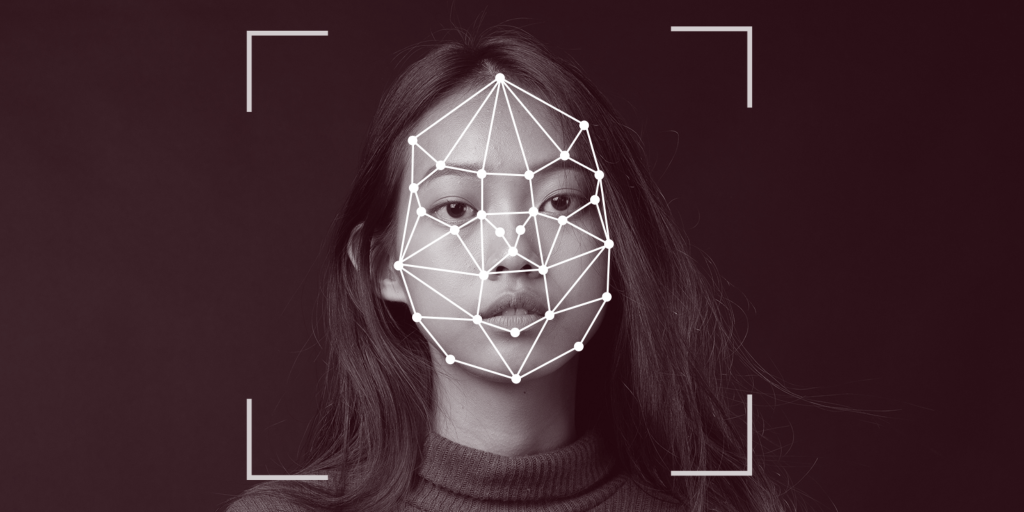
What Is a Deepfake?
A deepfake is synthetic media. Typically, this includes a video, image, or audio recording that uses machine learning to realistically alter or fabricate someone’s appearance, voice, or behavior. In abusive contexts, deepfakes may include:
- Sexually explicit videos or images created using a victim’s face or body
- “Face swap” content that inserts a person’s likeness into pornography
- Audio recordings imitating a person’s voice to humiliate or deceive
- Falsified messages or staged conversations designed to damage a person’s reputation
These materials are often distributed without the victim’s knowledge or consent. They may appear on social media, adult content platforms, or private forums. Even after the content is removed, the psychological and reputational damage can continue indefinitely.
This Is Abuse, and It Is Illegal
Nonconsensual deepfakes are not just unethical. They are a form of sexual abuse, harassment, and digital violence. Although criminal law is still developing in this area, civil law already provides survivors with powerful tools to pursue justice. You may have legal claims under:
- Right of publicity or privacy laws
- Civil harassment and stalking statutes
- Defamation or false light claims
- Intentional infliction of emotional distress
- Sexual exploitation or CSAM statutes (if minors are depicted)
At Liberty Law, we assist victims in filing civil lawsuits. We work to remove content, identify anonymous perpetrators, obtain compensation, and prevent future abuse.
Who Can Be Held Responsible?
Victims often want to know who can be held legally accountable. In many cases, more than one party is responsible for the harm caused. This may include:
- The person or people who created, distributed, or shared the deepfake
- Websites, platforms, or service providers that failed to take the content down
- Employers, schools, or institutions that failed to act when notified
- Developers of AI tools used to produce the deepfake, especially if those tools were negligently designed or misused
If the content involves a minor, civil remedies may be available under child sexual abuse material (CSAM) laws. Even digitally generated or altered material involving minors can qualify as illegal exploitation, regardless of whether the depicted acts occurred in real life.
The Impact Is Real, and So Is the Legal Path Forward
Deepfake sexual exploitation can cause emotional trauma, reputational harm, and long-term fear. Victims often suffer in silence, believing that no one will understand or that no legal remedy exists. But the law is evolving, and more survivors are coming forward every day. You have the right to:
- Demand the content be removed and not resurface
- Receive compensation for your suffering and reputational damage
- Ensure those responsible are identified and held accountable
- Regain control over your image and your life
At Liberty Law, we are ready to help you assert those rights and reclaim your dignity.
Contact Us for a Confidential Conversation
If you or someone you care about has been targeted by a deepfake, we are here to help. Whether you are ready to take legal action or simply want to understand your options, we offer free, confidential consultations. We will listen without judgment and explain how the law can support your next steps.
Call 510-645-1000 or 415-896-1000
Or contact us here for confidential support
You deserve safety, privacy, and justice. Let’s take the next step together.


