Justice Delayed Is Justice Denied
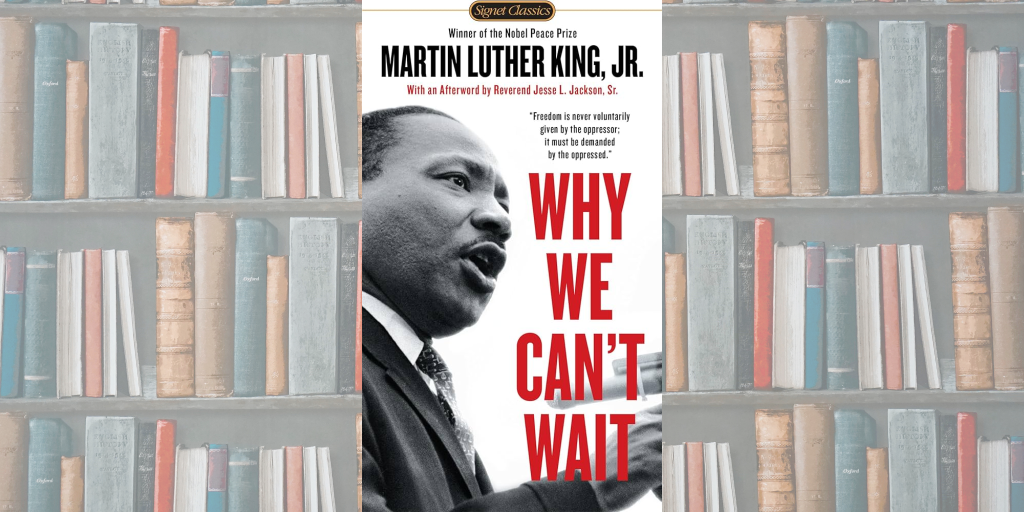
Published in 1964, Why We Can’t Wait is both a historical account of the Birmingham Campaign and a timeless reflection on the urgency of justice. Drawing from firsthand experience, Martin Luther King Jr. chronicles one of the defining moments of the American Civil Rights Movement while making a compelling case that equality cannot be postponed in the name of patience or political convenience.
At Liberty Law, we know that survivors and marginalized communities are too often told to wait for investigations, for accountability, for institutions to change, or for society to catch up. King’s work reminds us that delayed justice is not neutral. Every unnecessary delay prolongs harm, reinforces inequality, and communicates that some lives matter less than others.
The Myth of “Waiting”
One of the book’s most enduring messages is its rejection of gradualism. Throughout history, those in positions of power have urged oppressed communities to be patient, assuring them that change will come with time. King exposes this promise for what it often is: a mechanism for preserving the status quo.
He argues that freedom has never been voluntarily granted by those who benefit from inequality. Instead, meaningful change has consistently required organized action, public pressure, and the courage to challenge unjust systems.
This lesson remains deeply relevant today. Survivors seeking justice frequently encounter institutions that ask for patience while investigations stall, evidence grows stale, and trauma continues. Waiting too often becomes another form of denial.
Nonviolent Action as Strategic Advocacy
King presents nonviolent direct action not as passive resistance, but as a disciplined strategy for exposing injustice. Through peaceful demonstrations, boycotts, and acts of civil disobedience, activists forced the nation to confront realities it had long ignored.
The Birmingham Campaign demonstrated that legal victories alone were insufficient. Although segregation had been challenged in the courts, discriminatory practices remained deeply entrenched because institutions lacked the political will to enforce equal rights.
By creating situations that demanded public attention, the movement compelled government officials, businesses, and the broader public to respond.
For legal advocates, this illustrates an important truth: litigation is often most effective when accompanied by public awareness, community organizing, and sustained advocacy.
Law and Morality
Throughout the book, King distinguishes between legality and justice. He argues that laws deserve respect only when they uphold human dignity and equality. Unjust laws, by contrast, perpetuate oppression and require moral resistance.
This distinction challenges legal professionals to think critically about the purpose of law itself. Legal systems are not inherently just simply because they exist. Their legitimacy depends upon whether they protect the rights and dignity of all people equally.
At Liberty Law, this perspective resonates deeply. Our work is grounded in the belief that legal advocacy should do more than navigate existing systems—it should challenge those systems when they fail to serve the people they were created to protect.
The Cost of Institutional Inaction
King also examines the role of institutions that claim neutrality while enabling injustice through inaction. Government leaders hesitated. Religious organizations remained silent. Businesses prioritized stability over equality. Moderate voices urged compromise instead of accountability.
This institutional reluctance prolonged suffering and strengthened discriminatory systems.
The pattern remains familiar today. Whether addressing workplace harassment, sexual violence, discrimination, or civil rights violations, institutions often respond more quickly to protect their own reputations than to protect those who have been harmed.
True accountability requires more than statements of support. It requires decisive action, transparency, and the willingness to confront uncomfortable truths.
Hope Through Collective Action
Despite documenting extraordinary injustice, Why We Can’t Wait remains a hopeful work. King consistently emphasizes the power of ordinary people working together toward a shared vision of justice.
The Birmingham Campaign succeeded because thousands of individuals accepted personal risk in pursuit of collective freedom. Students, clergy, parents, workers, and community members united around the belief that dignity could no longer be deferred.
This message continues to inspire advocates today. Lasting change is rarely achieved through individual effort alone. It is built through movements, coalitions, and communities committed to challenging systems that perpetuate harm.
Final Reflections
Why We Can’t Wait remains one of the most important works ever written about civil rights, leadership, and the moral urgency of justice. Martin Luther King Jr. reminds readers that equality is not achieved through passive optimism, but through intentional action that challenges injustice wherever it exists.
At Liberty Law, we believe survivors deserve more than promises of future reform. They deserve accountability today. This book reinforces our commitment to advocating for those whose voices have been ignored and to confronting institutions that allow harm to persist through delay, indifference, or inaction.
For attorneys, advocates, policymakers, and anyone committed to advancing human rights, Why We Can’t Wait offers an enduring reminder that justice cannot remain perpetually on the horizon. It must be pursued with courage, protected through action, and delivered without unnecessary delay.


